
Common Causes of Pump Failure and How to Avoid Them
Pumps are critical components in industrial, commercial, and residential systems. When a pump fails, it can disrupt operations, increase maintenance costs, and lead to significant downtime. Understanding the common causes of pump failure—and how to prevent them—helps ensure reliable performance and longer equipment life.
In today’s fast-evolving industrial landscape, staying ahead means embracing change, leveraging technology, and refining processes. Our commitment to excellence begins with a clear vision and is carried through with precision, innovation, and sustainability at the core of everything we do.
Improper Installation
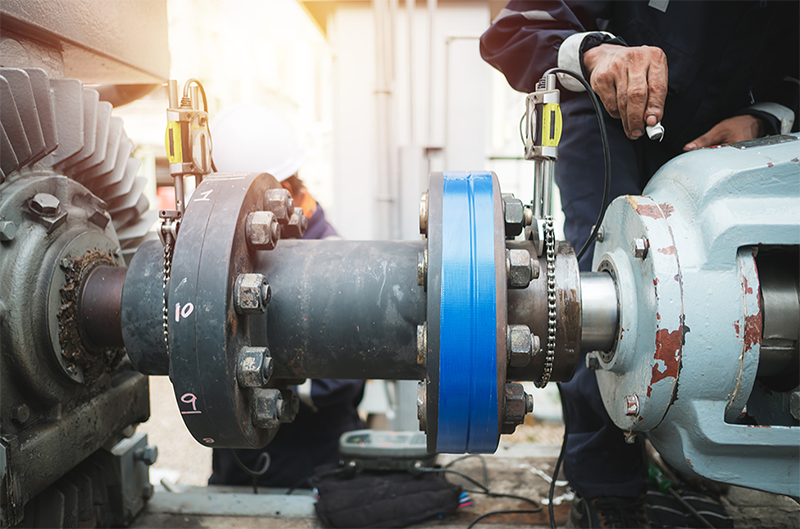
Improper installation is one of the leading reasons pumps fail prematurely. Misalignment between the pump and motor, incorrect piping arrangements, inadequate foundation support, or failure to follow manufacturer specifications can introduce excessive vibration and mechanical stress. Over time, these conditions cause accelerated wear on bearings, seals, and internal components. Professional installation, correct alignment, stable mounting, and proper piping design play a critical role in preventing early pump failure.
Cavitation Issues
Cavitation occurs when pressure changes inside the pump cause vapor bubbles to form and collapse against internal surfaces. This process can severely damage impellers, casings, and seals, leading to reduced efficiency and eventual failure. Cavitation is commonly caused by insufficient suction pressure, high fluid temperatures, blocked inlet lines, or operating the pump outside its recommended range. Maintaining correct suction conditions, monitoring operating parameters, and selecting the right pump for the application help avoid cavitation-related damage.
Lack of Preventive Maintenance
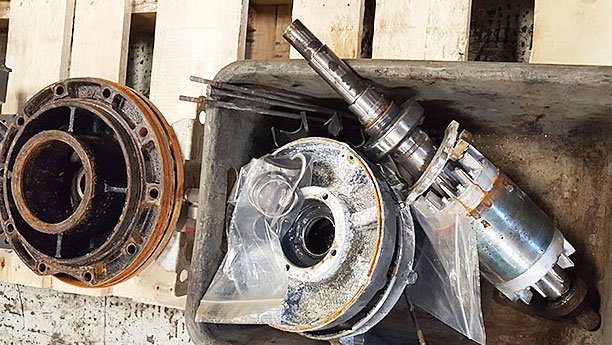
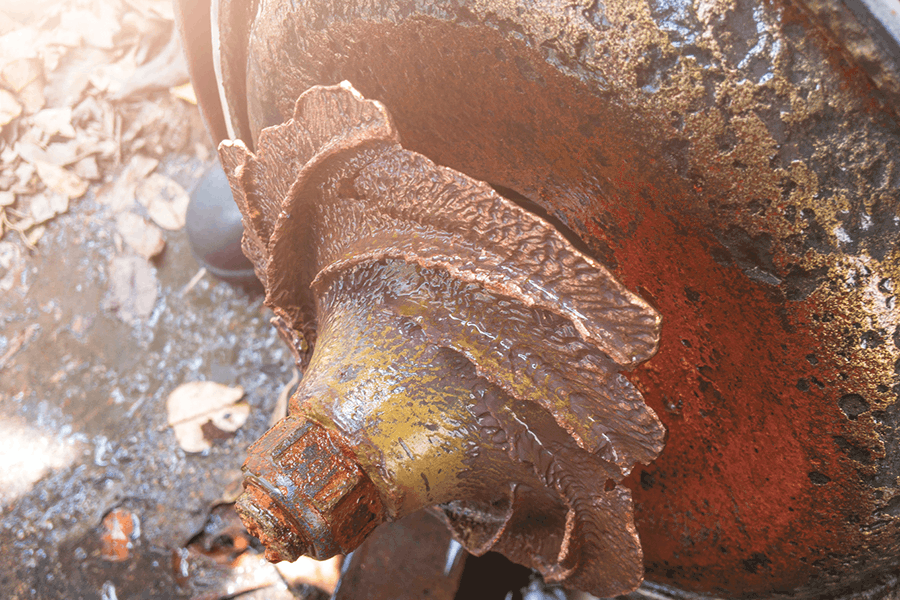
Inadequate maintenance allows minor issues to develop into major failures. Worn seals, damaged bearings, contaminated lubricants, and unnoticed leaks often result from skipped inspections and irregular servicing. A structured preventive maintenance approach that includes routine inspection, lubrication, alignment checks, and timely replacement of worn components ensures consistent pump performance and extends service life.
Operating Beyond Design Conditions
Running pumps beyond their designed flow rates, pressures, or duty cycles places excessive strain on mechanical and electrical components. Overloading leads to overheating, vibration, and accelerated wear, increasing the likelihood of breakdowns. Proper pump sizing, controlled operation, system monitoring, and the use of suitable control methods such as variable frequency drives help maintain stable and efficient operation.
Seal and Bearing Failures
Mechanical seals and bearings are critical components that directly affect pump reliability. Seal failures often occur due to incorrect selection, dry running, contamination, or improper cooling, while bearing failures are typically caused by misalignment, insufficient lubrication, or excessive loading. Monitoring vibration, temperature, noise, and leakage enables early detection of problems and prevents extensive internal damage.
Electrical System Problems
Electrical faults contribute significantly to pump failures. Voltage imbalance, overheating motors, incorrect wiring, or insufficient protection systems can cause sudden shutdowns and long-term motor damage. Regular electrical inspections, proper voltage regulation, motor temperature monitoring, and servicing by qualified technicians are essential for maintaining reliable pump operation.
Conclusion
Pump failures are often preventable with the right combination of proper installation, controlled operation, regular maintenance, and professional servicing. By addressing common issues early and following best practices, industries can reduce downtime, lower maintenance costs, and ensure dependable pump performance. With experienced technical support and preventive maintenance solutions, AQL Groups helps clients maintain efficient and reliable pump systems built for long-term operational success.